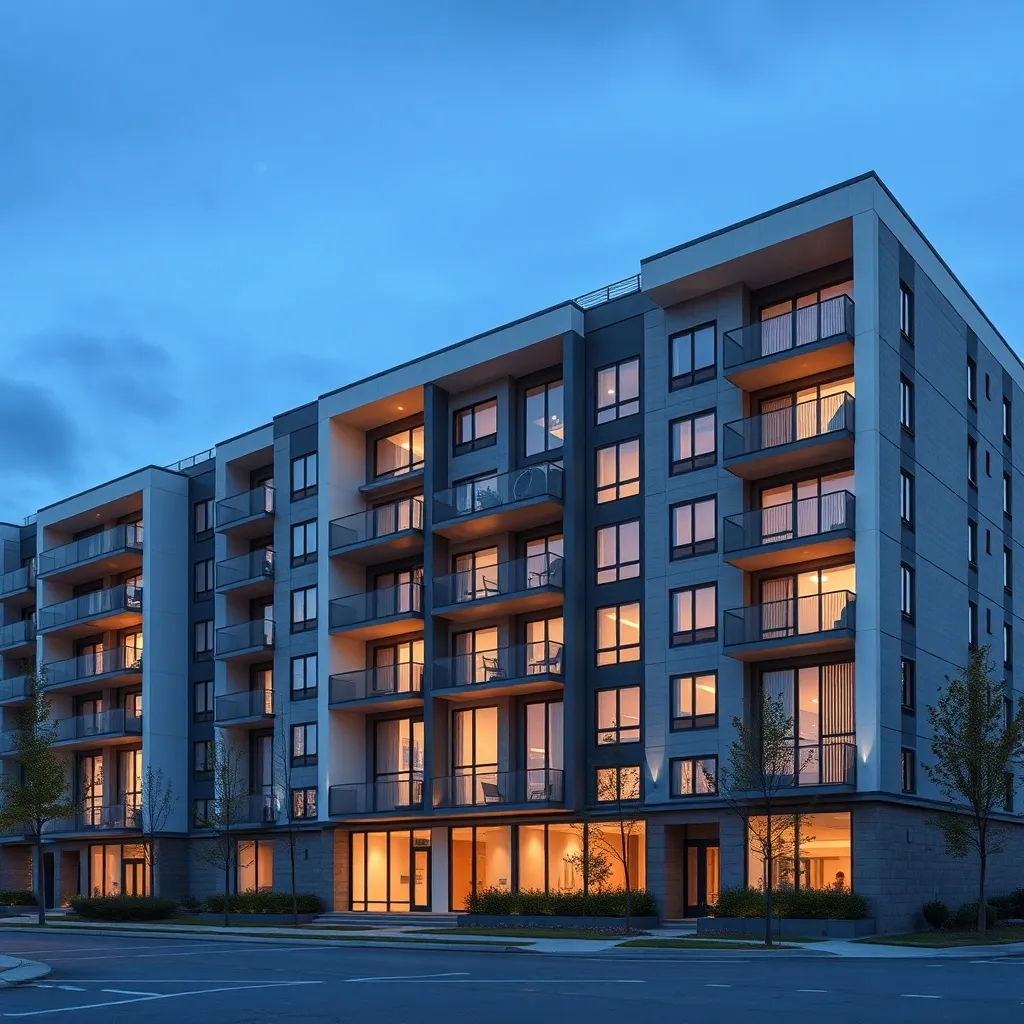
The environmental footprint of a rental unit is largely determined by its mechanical systems. When evaluating a potential home, it is critical to assess the age and type of heating, ventilation, and air conditioning (HVAC) systems. Older units often rely on baseboard heating, which is significantly less efficient than modern heat pump technology.
"Investing in high-efficiency appliances and insulation isn't just a cost-saving measure for landlords; it's a fundamental requirement for the long-term viability of our urban housing stock."
Newer developments in Halifax are increasingly adhering to LEED or Passive House standards. These certifications ensure that the building envelope is airtight, reducing the energy required for climate control. For a detailed look at how these standards impact regional policy, refer to the Halifax Zoning and Environmental Laws.
Furthermore, water conservation through low-flow fixtures and efficient laundry facilities can reduce a household's water usage by over 30%. This not only lowers utility bills for units where water is not included in the rent but also preserves the municipal supply during dry seasons.