Infill Development
Utilizing existing urban space reduces the need for sprawl, protecting the greenbelts surrounding Halifax. This leads to a significant decrease in per-capita infrastructure costs and energy requirements for municipal services.
Analyzing the correlation between property tenure, urban density, and carbon emissions within the Halifax Regional Municipality. We examine how the transition from renting to owning influences long-term resource efficiency.
Lower Energy Intensity
Owner-occupied dwellings in Nova Scotia typically see a 24% reduction in energy waste compared to short-term rentals due to localized efficiency upgrades.
CO2 Savings / Year
Average carbon footprint reduction achieved through professional retrofitting of insulation and HVAC systems in permanent residential holdings.
Attic Insulation Standard
The benchmark for sustainable Halifax housing, significantly reducing the thermal load required during peak winter months.
Renovation waste accounts for approximately 25% of the total solid waste generated in Canada. When homeowners invest in a property, they are more likely to choose durable, long-lasting materials rather than "disposable" aesthetic fixes common in high-turnover rental units. This shift in mindset directly impacts the volume of gypsum, wood, and metal entering local landfills.
At Harbor Broom, we advocate for the "Circular Renovation" model. This involves the salvage of existing structural components and the integration of recycled content into new builds. By prioritizing structural integrity over superficial trends, we ensure that the environmental cost of housing is amortized over decades rather than years.
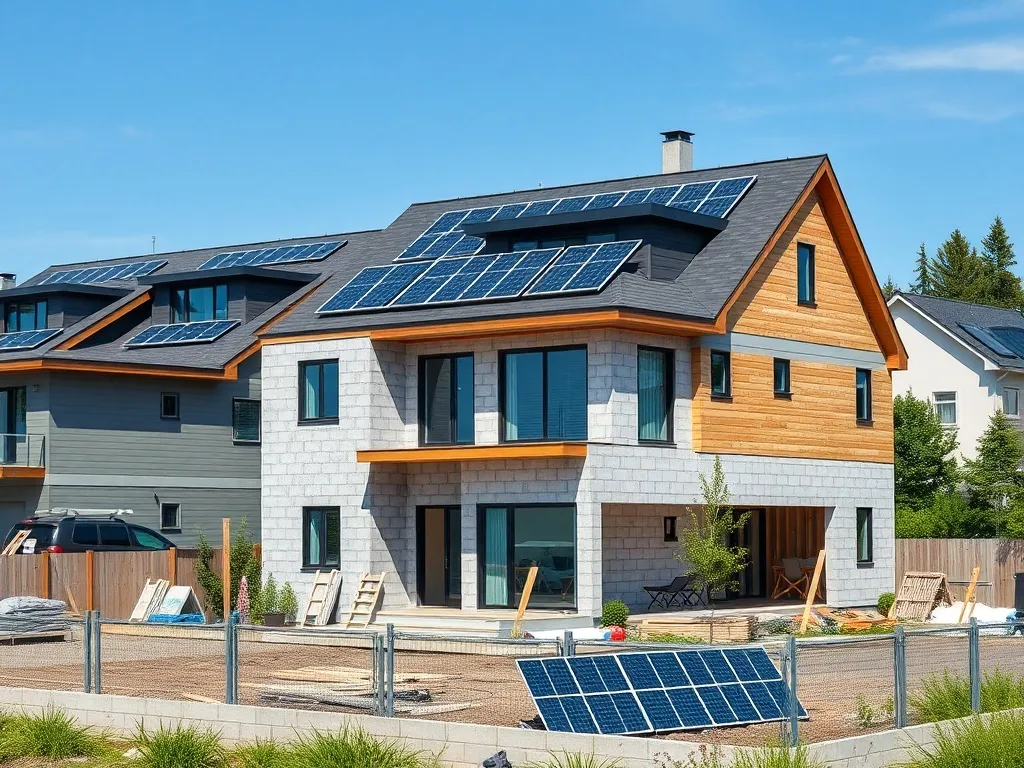
Utilizing existing urban space reduces the need for sprawl, protecting the greenbelts surrounding Halifax. This leads to a significant decrease in per-capita infrastructure costs and energy requirements for municipal services.
High-density areas in Halifax correlate with a 35% reduction in private vehicle reliance, fostering a low-carbon transport culture.
Study Market TrendsCentralized heating and water systems in multi-unit dwellings offer higher efficiency ratios than isolated suburban units.
Analyze CostsOur proprietary assessment of building materials based on carbon sequestration, durability, and end-of-life recyclability.
Whether you are evaluating a purchase or optimizing a rental portfolio, the environmental impact of your housing choices defines the future of our local landscape.