Density Increases
Recent modifications to the Centre Plan allow for increased secondary suites and backyard suites to optimize existing infrastructure.
Understanding the legal constraints and opportunities within the Halifax Regional Municipality (HRM) is critical for sustainable development. Our analysis focuses on land use efficiency, resource conservation, and the preservation of our shared ecological heritage.
Recent modifications to the Centre Plan allow for increased secondary suites and backyard suites to optimize existing infrastructure.
Environmental laws now mandate strict setbacks from coastlines to mitigate the effects of rising sea levels and erosion.
New bylaws require comprehensive tree preservation plans for any development exceeding 500 square meters of footprint.
Mandatory compliance with updated energy efficiency tiers for all new multi-unit residential constructions in the HRM.
The Halifax Regional Municipality has implemented a series of financial and regulatory incentives designed to accelerate the adoption of green building technologies. By aligning private development with public environmental goals, the city aims to reduce the carbon intensity of the housing sector. These incentives are not merely suggestions; they are structured to provide tangible economic benefits to those who prioritize resource efficiency.
Property owners who implement solar energy systems or high-efficiency heat pumps may be eligible for property tax abatements or grants through the Solar City program. This initiative demonstrates a commitment to decentralized energy production, reducing the strain on the provincial grid while lowering long-term operational costs for residents.
Furthermore, the "Green Building Bonus" system allows developers to exceed standard height or density limits in exchange for achieving LEED Gold certification or equivalent environmental benchmarks. This trade-off ensures that as the city grows vertically, it does so with a decreasing ecological footprint, balancing urban expansion with environmental stewardship.
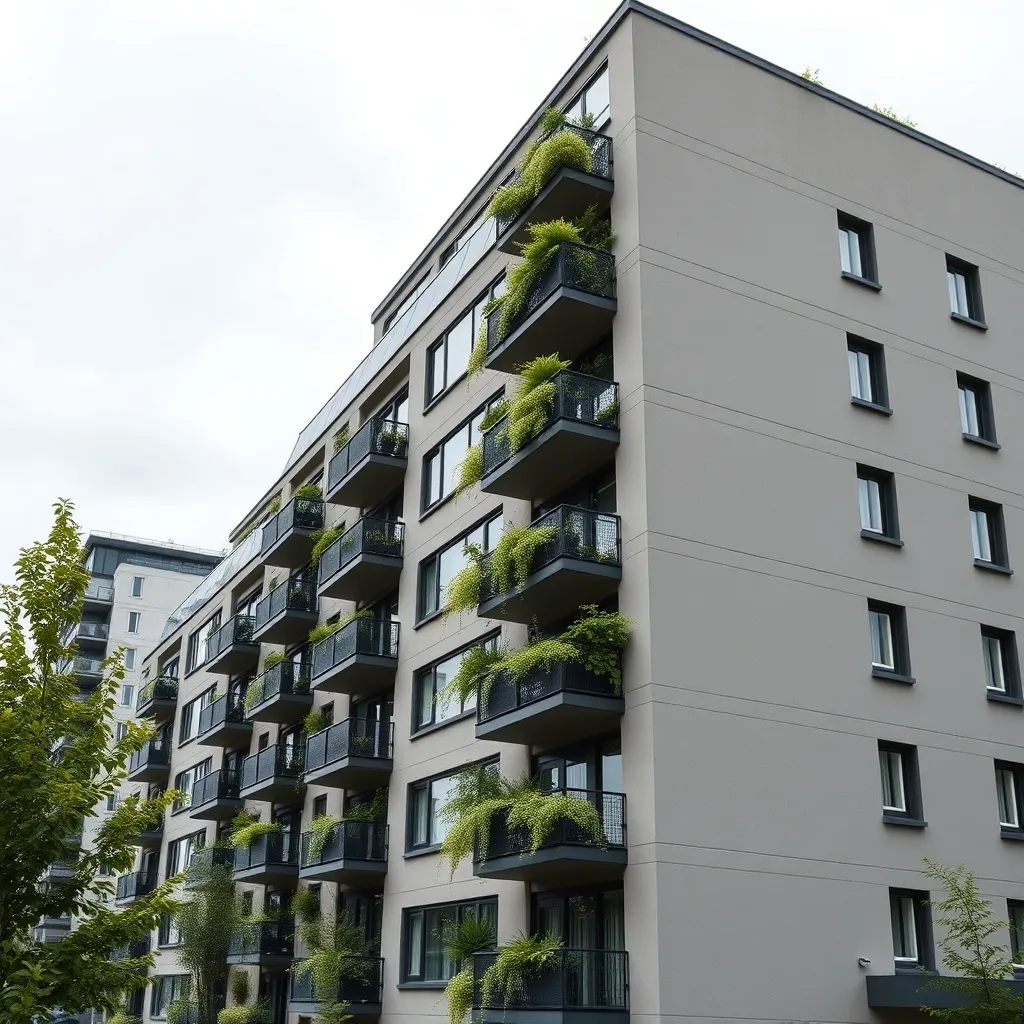
| Category | Regulation Detail | Compliance Goal |
|---|---|---|
| Façade Retention | Mandatory preservation of original stone/brickwork for buildings over 100 years old. | Embodied Carbon Saving |
| Demolition Waste | 75% diversion rate required for non-hazardous construction and demolition debris. | Waste Reduction |
| Adaptive Reuse | Expedited permitting for converting industrial heritage sites into residential units. | Land Use Efficiency |
| Local Materials | Preference for Nova Scotian timber and stone in restoration projects. | Low-Impact Supply Chain |
"Preservation is the ultimate form of sustainability. By maintaining our existing structural assets, we avoid the massive carbon expenditure associated with new concrete and steel production."
The Regional Plan focuses on "Inward Growth," prioritizing development within the urban core and established suburban service boundaries. This strategy is designed to prevent urban sprawl, which destroys natural habitats and increases the per-capita cost of infrastructure maintenance. Efficient land use means maximizing the utility of every hectare while ensuring that green corridors remain intact for biodiversity and stormwater management.
Current zoning laws are being re-evaluated to eliminate minimum parking requirements in transit-oriented development areas. This shift recognizes that land previously dedicated to asphalt for car storage can be better utilized for high-density, energy-efficient housing or public green spaces. By reducing the footprint of the automobile, Halifax creates a more walkable, resilient urban environment.
Our policy analysis helps you navigate the complexities of Halifax zoning while ensuring your housing choices align with environmental preservation goals.
Subscribe to be the first to know.