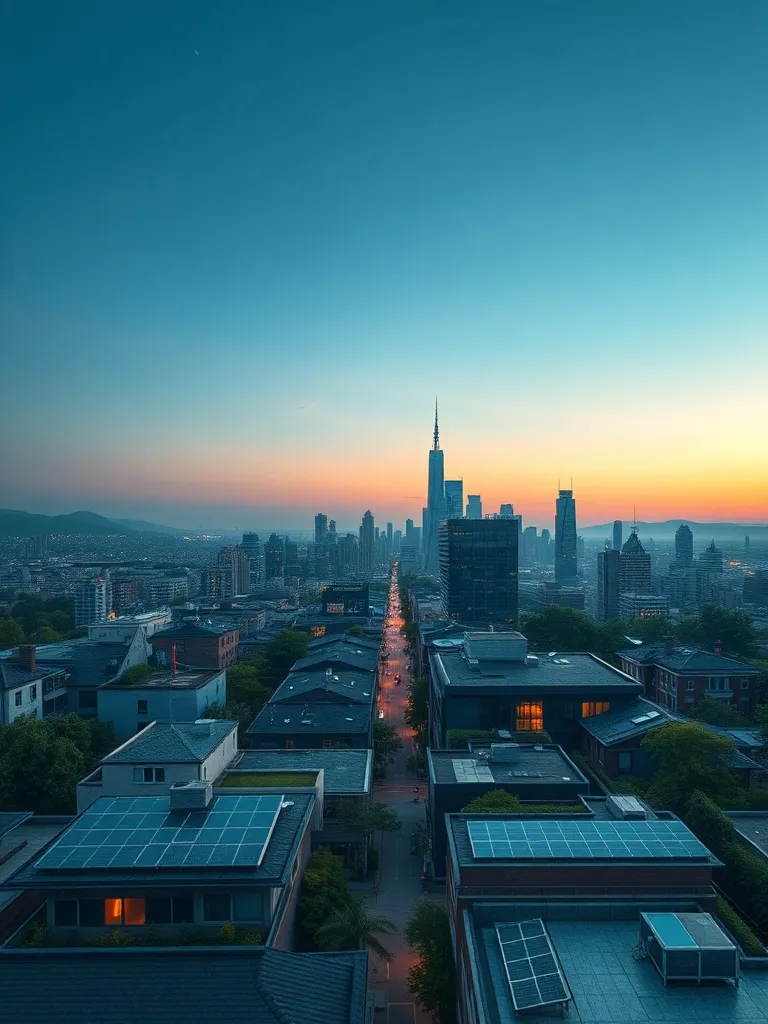
Regional demographic shifts indicate a sustained influx of residents seeking economic stability and environmental resilience. By 2030, the demand for high-density, resource-efficient housing units is expected to increase by 35%, placing unprecedented pressure on existing land use frameworks. Our analysis suggests that traditional low-density expansion is no longer ecologically viable.
To maintain the balance between growth and preservation, the strategy prioritizes the revitalization of underutilized urban core zones. This transition requires a shift toward Housing and Environmental Sustainability metrics, ensuring that every new development contributes to the net reduction of the regional carbon footprint while accommodating the expanding workforce.
The integration of smart-grid technologies and shared resource management will be critical in mitigating the strain on municipal services. We anticipate that vertical residential clusters will become the standard for sustainable urban living, optimizing the per-capita use of water and energy resources.