The decision between renting and buying in Nova Scotia is no longer just a financial calculation. It is a commitment to resource efficiency and the preservation of our coastal ecosystem. Analyze the long-term impact of your housing footprint today.
Quantifiable data on the intersection of urban density and resource preservation in the HRM (Halifax Regional Municipality).
The Ownership Footprint
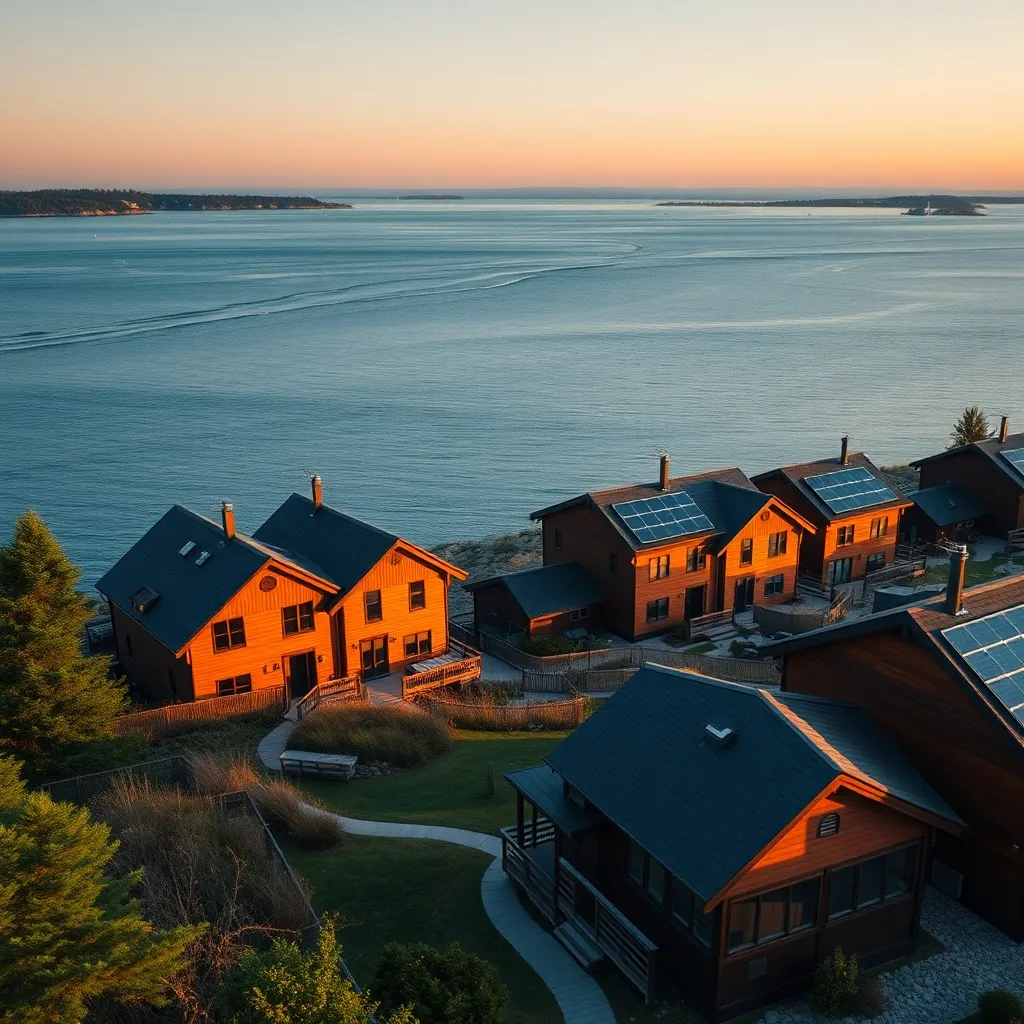
Purchasing a home in Halifax allows for direct intervention in building efficiency. Owners can implement heat pump retrofits and insulation upgrades that reduce carbon output by up to 40%. Our Ownership Analysis details how these capital investments correlate with long-term ecosystem stability.
40%
Potential reduction in household carbon emissions through private retrofitting.
Rental Density
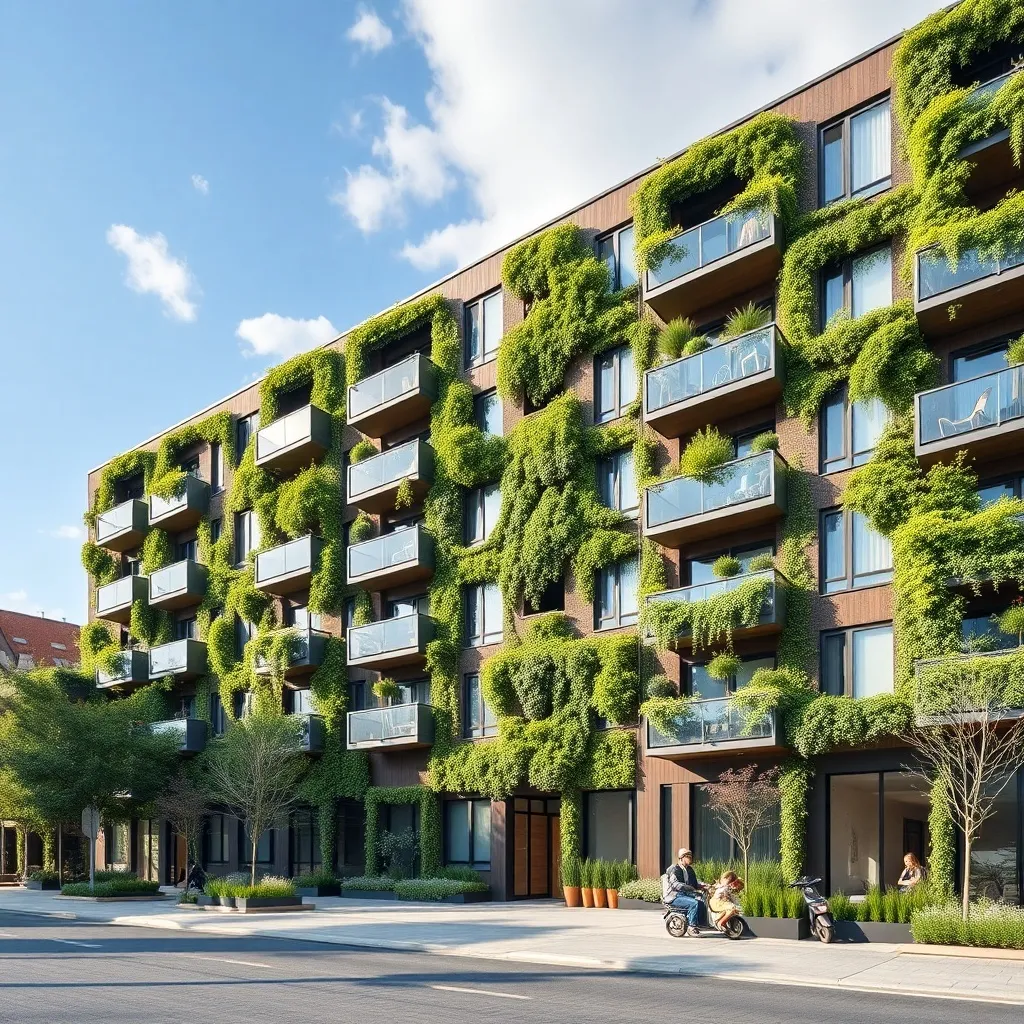
High-density rental units in downtown Halifax utilize shared infrastructure, significantly lowering per-capita water and energy consumption.
Average energy expenditure in non-retrofitted 1970s builds across Dartmouth and Bedford.
$3,200+
Annual estimated cost for heating without energy-efficient systems.
Numerical Projections 2030
By 2030, the Halifax housing market is forecasted to prioritize LEED-certified developments. Investors and residents who pivot toward sustainable infrastructure now will mitigate future environmental taxes and utility spikes. Review the Numerical Model for a decade-long forecast.
Sustainable Development vs. Urban Sprawl
"The most sustainable square footage is the one already built, provided it is optimized for modern resource constraints."
Halifax faces a unique challenge. With a growing population and a fragile coastal climate, the expansion of the housing sector must be handled with extreme care. The choice between renting an existing apartment and purchasing a new-build home in the suburbs carries heavy weight. New developments often contribute to urban sprawl, which increases the reliance on individual transport and puts pressure on local biodiversity.
Our research indicates that homeowners who prioritize "Eco-Retrofitting" contribute significantly to the city's overall sustainability goals. By replacing outdated oil furnaces with electric heat pumps and installing low-flow water systems, private citizens are effectively upgrading the city's aging infrastructure from the inside out. This proactive stance is essential for meeting Nova Scotia's environmental targets.
On the other hand, renting provides a high degree of flexibility and lower individual resource consumption. Residents in multi-unit buildings benefit from centralized heating and collective waste management systems, which are inherently more efficient than those found in detached houses. You can find more about this in our Ecological Footprint analysis.
Incentives: Nova Scotia offers significant rebates for energy-efficient upgrades through EfficiencyNS.
Zoning: Recent changes in HRM allow for higher density secondary suites, aiding in sustainable growth.
Materials: Sustainable timber and recycled aggregates are becoming standard in local construction.
Policy Impact
Current legislation regulates the transition from oil to electric. Understanding these laws is vital for any prospective buyer or tenant. Explore Halifax Zoning and Environmental Laws for more details.
Frequently Asked Questions
Is renting or buying better for the environment in Nova Scotia?
Renting in a high-density area typically results in a lower immediate carbon footprint. However, buying allows for "deep energy retrofits" that can make a building carbon-neutral over time. The "better" option depends on your ability to invest in upgrades.
How does the Halifax climate affect building choices?
Coastal humidity and high wind loads require specific building envelopes. High-performance windows and moisture-resistant insulation are non-negotiable for long-term durability and resource efficiency in this region.
Are there specific areas in Halifax better suited for eco-living?
Downtown Halifax and the North End offer excellent walkability and density. Areas like Bedford are seeing more "green-belt" conscious developments that prioritize natural landscape preservation.
Plan Your Future Responsibly
The data is clear: housing choices made today will dictate the resource availability of tomorrow. Harbor Broom provides the analytical framework to ensure your decision is based on both financial sanity and environmental necessity.