Avg. Monthly Rent
Reflecting a 12% year-over-year increase in the urban core, impacting resource accessibility for new residents.
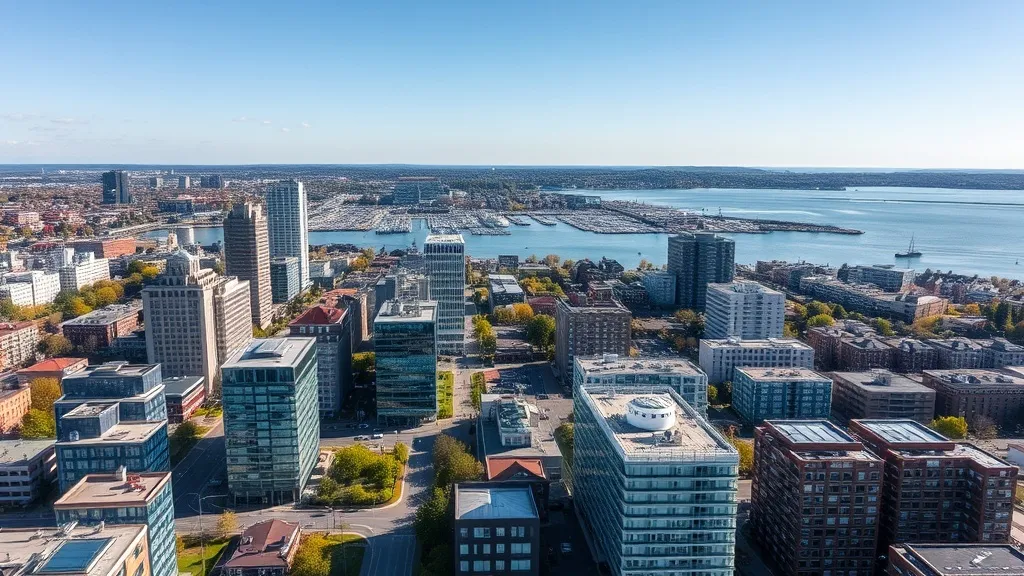
A technical deep-dive into the current state of residential resource allocation in Nova Scotia. We analyze the intersection of availability, cost-efficiency, and long-term environmental sustainability.
EXPLORE DATAReflecting a 12% year-over-year increase in the urban core, impacting resource accessibility for new residents.
A critical threshold that indicates severe resource scarcity and limited mobility within the housing sector.
The baseline entry point for single-family residential units within the Greater Halifax Area.
The gap between required sustainable housing units and current available infrastructure.
Analyzing the 2024 Purchase Price Index reveals a significant shift in how residential assets are valued. The rapid appreciation of property values in Halifax is not merely a market trend but a reflection of the increasing demand for sustainable urban living. As the city expands, the cost of land and building materials—driven by global supply chain pressures—has pushed the median price of a home to historic highs. This creates a complex barrier for those seeking long-term residential security.
From a resource management perspective, the high cost of acquisition forces a re-evaluation of the Rent vs Buy: Numerical Model. While purchasing offers equity growth, the initial capital requirement often diverts funds that could otherwise be invested in high-efficiency home upgrades or ecological retrofitting. We observe that the most stable market segments are currently those that integrate modern insulation and renewable energy systems, as these properties retain value better against inflationary pressures.
The data suggests that the "stability premium" is growing. Investors and residents alike are paying more for properties that are located within walking distance of essential services, thereby reducing their carbon footprint. This trend aligns with our broader Housing and Environmental Sustainability goals, where density and proximity serve as tools for resource conservation.
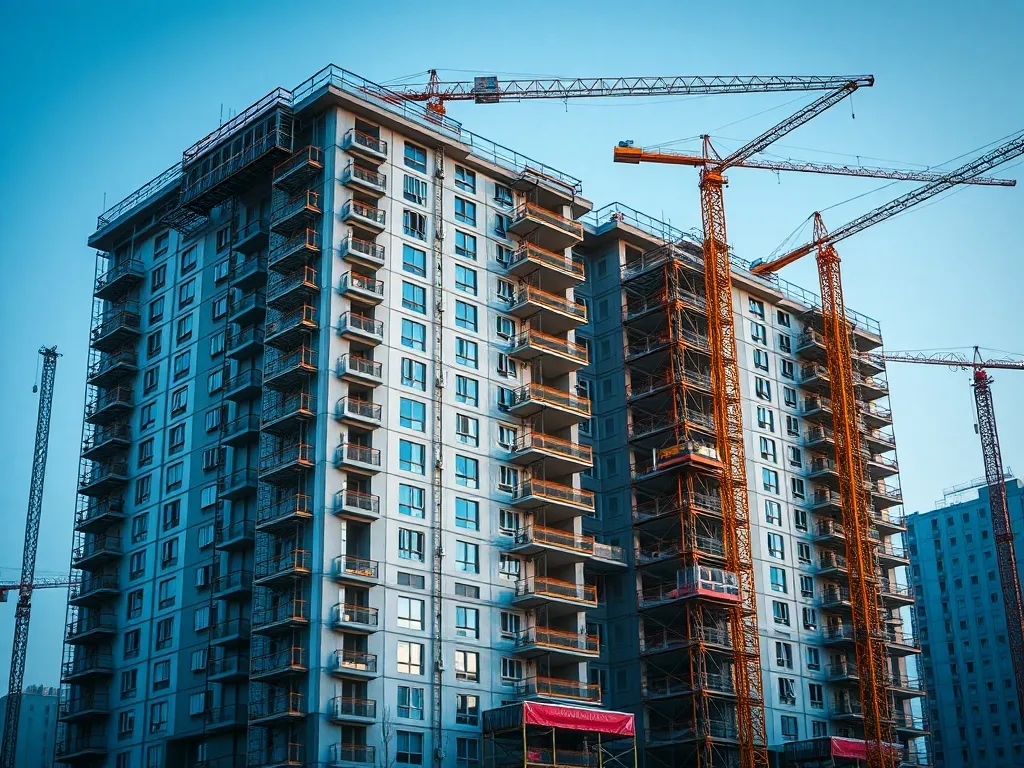
With a vacancy rate hovering near 1%, Halifax faces a critical shortage of rental stock. This lack of inventory prevents natural market corrections and places immense pressure on low-to-middle income households. Our analysis shows that to reach a healthy 3% vacancy rate, the region requires an immediate injection of 5,000 new units.
 View 2030 Strategy →
 How Halifax Zoning Laws are evolving to allow for higher density and more efficient land use in traditional suburbs.
Every new unit must meet the 2024 energy efficiency standards to ensure long-term resource viability.
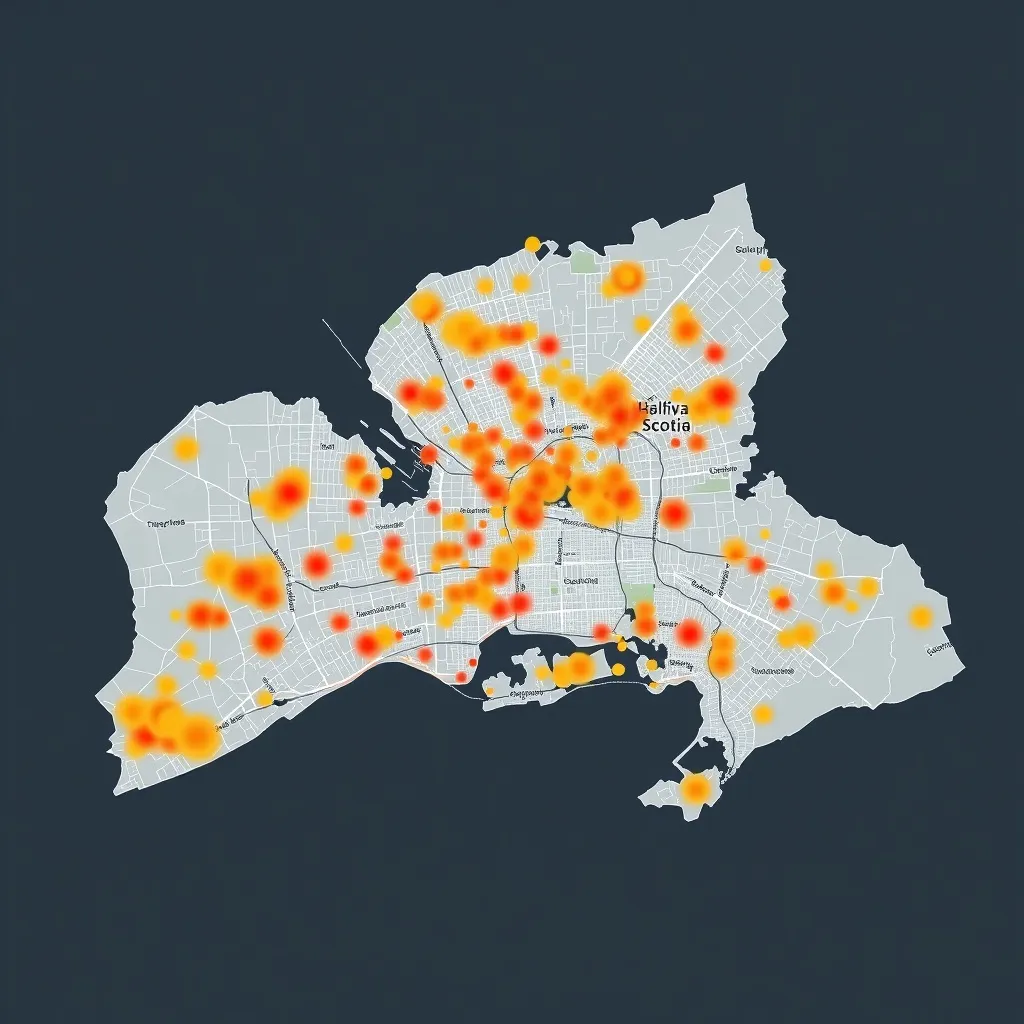
The distribution of housing resources in Halifax is heavily skewed towards the urban core, creating significant transit-related ecological costs for those living in the periphery. Our geospatial mapping indicates that while the Peninsula offers the highest density of services, the Dartmouth and Bedford corridors are seeing the fastest rate of new development.
Peninsula Halifax remains the highest demand zone with 45% of all rental inquiries.
Bedford-West is currently the fastest-growing residential cluster by volume of new builds.
Understanding the data is the first step toward making a sustainable housing choice. Whether you are renting or buying, every decision impacts the collective resource pool of our city.